
Community Security Transformation
A live, multi-phase deployment across networking, cameras, access control, intercom, gates and long-retention recording.
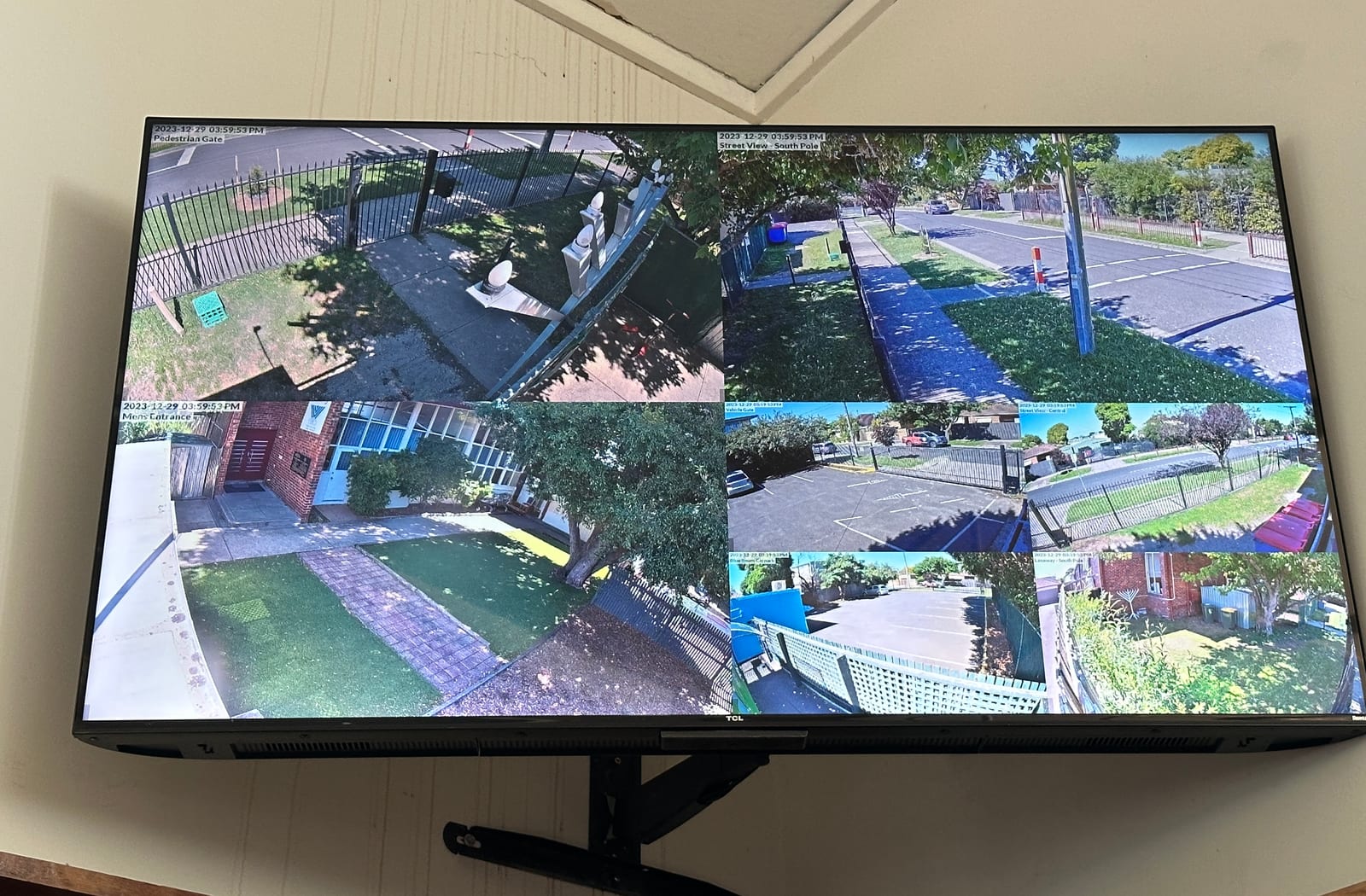
A community campus needed one system it could actually run.
Chabad Bentleigh operates as a synagogue, community centre, education environment and childcare site. The security requirement was not just more cameras; it was a system that staff and leadership could understand under pressure.
The work started with network reliability and grew into surveillance, access control, recording infrastructure, vehicle gates, intercoms and remote management.
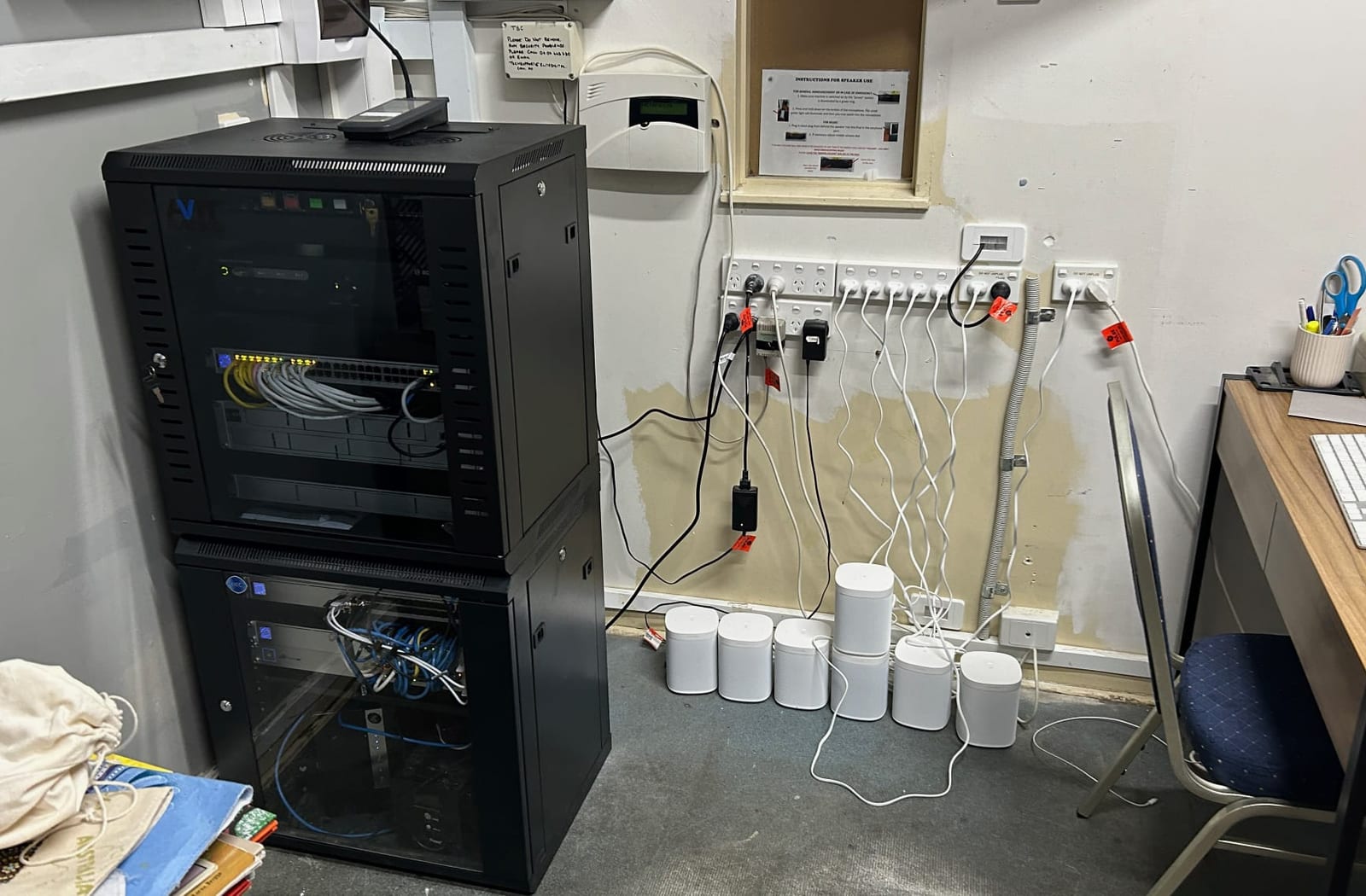
Growth exposed the limits of residential-grade infrastructure.
The network foundation was not strong enough for the number of staff, classrooms, offices and community spaces relying on it.
Cameras existed, but search and review were slow. One real incident required more than an hour of footage review to find the right person.
Gate access, door access, visitor movement and video review were handled in separate places.
Every expansion risked adding another vendor, another interface and another long-term cost.
The design criteria were simple: clarity, ownership and room to expand.
The important shift was not only more coverage. It was giving the site a system that leadership could understand quickly.
The deployment expanded in phases as confidence grew.
Network foundation
Residential-grade equipment was replaced with centrally managed switching, Wi-Fi and remote administration.
Camera rollout
Surveillance was deployed around real sightlines, incident review needs and leadership access.
Access control
Vehicle gates, staff doors and restricted areas moved into a cleaner access model.
Expansion layer
Recording, intercom and future automation planning were added without changing the operating model.
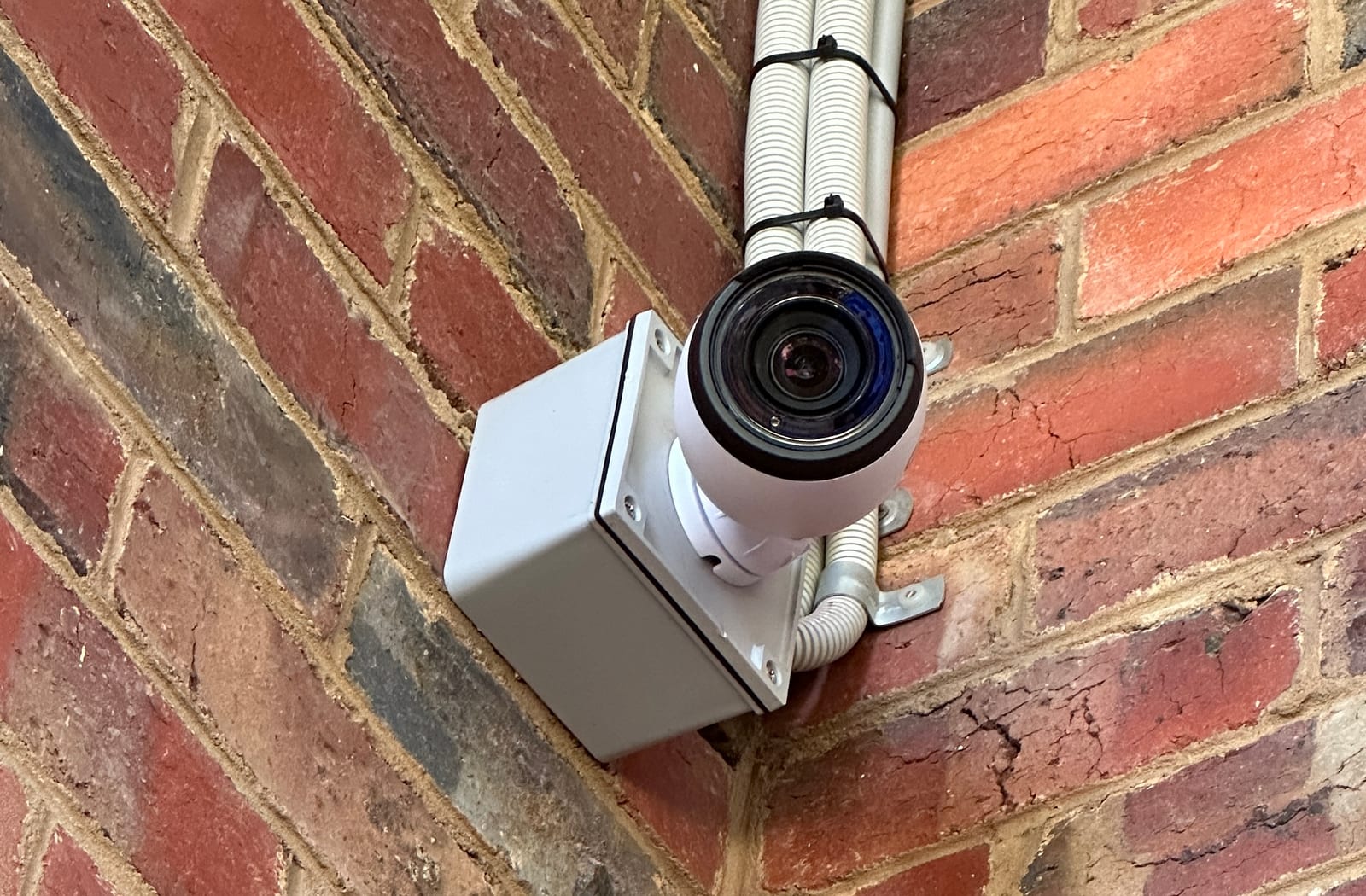
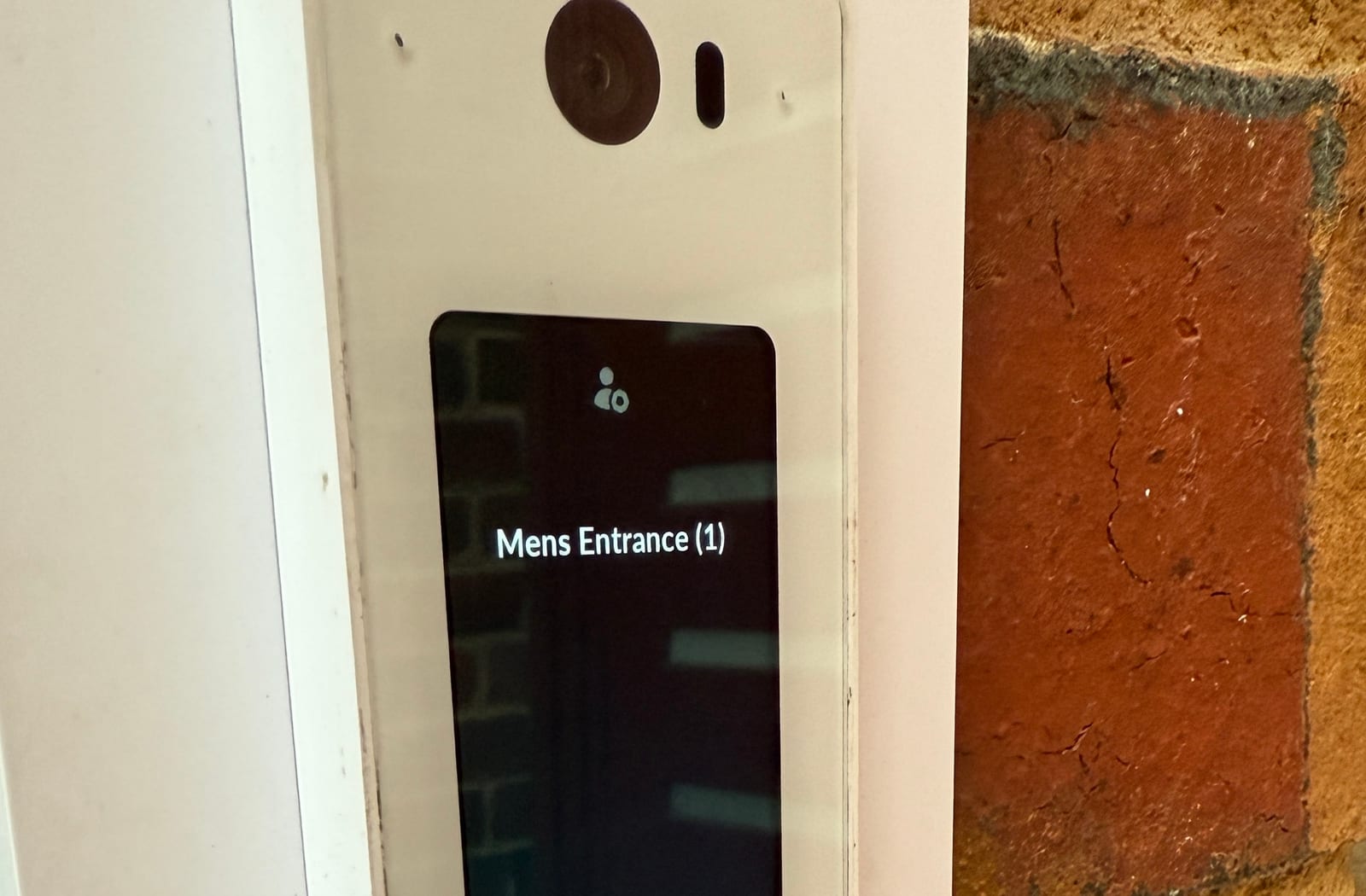
The platform now covers the operational backbone.
Network
- Managed switching
- Enterprise Wi-Fi
- Remote administration
Video
- 28+ cameras
- AI-assisted review
- 100TB+ storage
Access
- 14+ controlled doors
- Vehicle gates
- Visitor workflows
Roadmap
- Alarm integration
- Lockdown workflows
- Building automation
The biggest change is how quickly the site can be managed.
Faster review
Footage can be found and understood without staff moving between disconnected tools.
Lower ownership cost
The deployment avoids major recurring per-device software costs as the site expands.
Stronger daily control
Leadership can see, review and manage critical areas without waiting for an external vendor.
The same foundation is ready for the next building.
The next phase extends the same operating model into the new early learning centre, including alarm, access, lockdown and communication workflows.